
Starting a new school year brings excitement, nerves, and a whole lot of preparation. When a student is also wearing braces or clear aligners, that preparation takes on a few extra layers. The good news? Millions of kids, teens, and even college students successfully manage their while juggling classes, lunch periods, sports practice, and everything in between.
If your child got braces put on over the summer, or they’re continuing treatment from last year, heading back to school doesn’t have to feel overwhelming. A little planning and the right tools go a long way. Kids with braces or aligners can thrive academically and socially while working toward that amazing smile.
Below you’ll find practical tips for handling the school year with braces or aligners, from packing the right lunches to deciding between and . These are real strategies that make daily life easier for both students and their parents.

What Does Going Back to School with Braces or Clear Aligners Really Mean?
Going back to school with braces or clear aligners means adapting daily routines around eating, oral hygiene, and minor maintenance between orthodontist visits. Students will think about what they eat at lunch, how they clean their teeth during the day, and how to handle small issues that pop up at school. A care kit in the backpack and a few smart habits make all the difference.
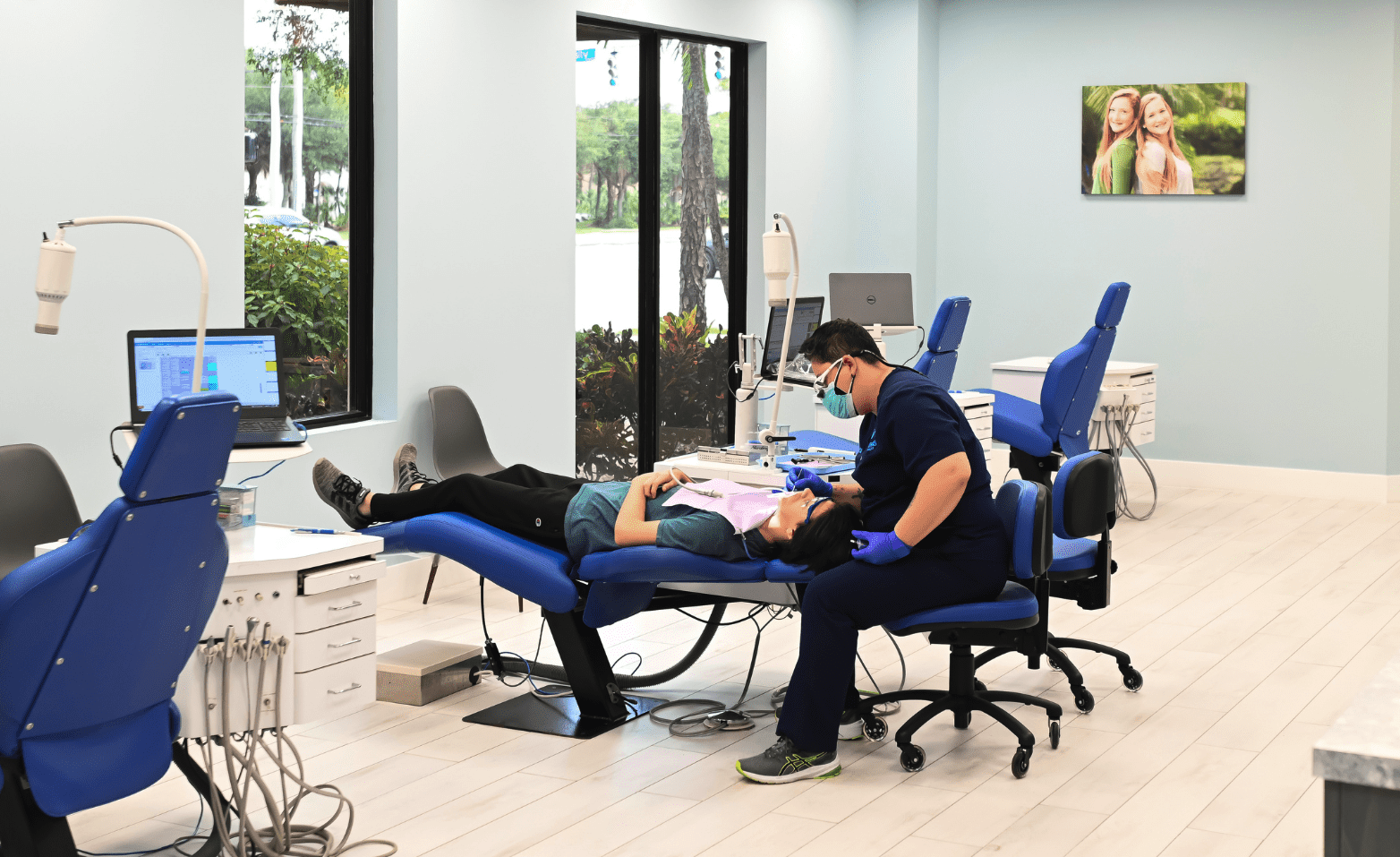
At Vargas Orthodontics, the team works with students of all ages who balance braces or aligners with busy school schedules. The approach is always personalized, because no two students have the same routine or the same needs.
For students wearing metal braces or , school life involves being mindful of food choices. That crunchy apple from home? Slice it first. Caramel corn at the football game is best skipped, and hard pretzels from the vending machine should stay on the shelf. These small adjustments become second nature quickly, but they do require some initial attention.
Clear aligner wearers face different considerations. They need to remove their aligners before eating, store them safely during lunch, and make sure they’re wearing them enough hours each day. Forgetting an aligner case or losing track of wear time can slow down progress.
Common concerns parents and students share include:
- Will my child feel self-conscious smiling in class photos?
- How will they brush their teeth after lunch at school?
- Can they still play sports and join band or choir?
- What happens if something breaks during the school day?
These worries are completely normal. Here’s what helps: modern options are more comfortable and less noticeable than ever before. Metal braces are smaller and sleeker. Clear braces blend with tooth color. Clear aligners are virtually invisible.
Dr. Alberto Vargas, MS, DMD sees students daily who balance their treatment with busy school schedules. The key is preparation. Students who pack the right supplies, know what to eat, and understand their daily routine tend to have smooth experiences. They also tend to finish on time because they’re taking good care of their teeth and appliances.
A teen already manages homework, extracurriculars, and friendships. Adding braces or aligner care is just one more thing on the list, and it’s a temporary one with a permanent payoff: a healthy, confident smile that lasts a lifetime.
The school year actually offers some advantages for treatment. Consistent daily routines make it easier to build good habits. Brushing happens at the same times, meals follow a predictable schedule, and regular reminders are built into the day. Summer’s unpredictable schedule can actually make things harder to manage.

How to Manage Braces and Clear Aligners During the School Day
Creating a simple daily routine helps students manage their braces or aligners without stress. The team at Vargas Orthodontics recommends building these habits early in the school year. Here’s a practical breakdown of how to handle each part of the day.
What Should the Morning Routine Look Like?
Start the day right with thorough brushing and flossing. For braces wearers, this means using a soft-bristled toothbrush to clean around brackets and wires. Floss threaders or orthodontic flossers make getting between teeth much faster than regular floss.
Kids wearing clear aligners should brush their teeth, clean their aligners, and make sure they’re wearing them before heading out the door. A quick rinse of the aligners with cool water keeps them fresh.
Before leaving home, double-check that the school hygiene kit is packed. Running back for forgotten supplies isn’t how anyone wants to start their morning.
What Should Students Pack for School?
Every student with braces or aligners needs a small kit in their backpack:
- Travel-sized toothbrush and toothpaste
- Orthodontic wax for braces wearers (covers sharp edges fast)
- Floss threaders or orthodontic flossers
- Small mirror
- Aligner case for clear aligner wearers
- Lip balm
This kit fits easily in a pencil pouch or small makeup bag. Having supplies on hand means a student can handle anything that comes up during the day, no trips to the nurse’s office required.
How Should Students Handle Lunchtime Care?
Lunch period is where good habits really matter. For those with braces, choosing the right foods makes all the difference.
Braces-friendly lunch ideas:
- Soft sandwiches on regular bread (skip the crusty rolls)
- Pasta salads
- Yogurt and soft fruits like bananas or berries
- Cheese cubes or string cheese
- Soft-cooked vegetables
- Hummus with soft pita
- Smoothies in a thermos, which also double as a filling afternoon snack
Foods to avoid packing:
- Whole apples or carrots (slice them instead)
- Popcorn
- Hard pretzels or chips
- Chewy granola bars
- Sticky candy or fruit snacks
- Corn on the cob
After eating, a quick rinse with water helps if brushing isn’t possible right away. A good swish dislodges food particles stuck around brackets. If time and bathroom access allow, brushing after lunch is ideal.
What’s the Best Lunch Routine for Clear Aligner Wearers?
Students wearing clear aligners have a slightly different routine. Take the aligners out and pop them in the case before eating. Never set them on a tray or wrap them in a napkin. After lunch, rinse your mouth or brush if you can, give the aligners a quick rinse under cool water, and put them back in right away.
That napkin trick is the single biggest mistake aligner wearers make. It leads to accidentally throwing them away in the cafeteria. Always use the case. Every single time. No exceptions.
Tracking wear time matters too. Clear aligners work best when worn 20 to 22 hours per day. If lunch takes 30 minutes and a student removes aligners for a snack later, those hours add up. Help your teen understand that every hour counts toward their timeline.
How Should Students Handle After-School Maintenance?
When the school day ends, another thorough brushing session helps remove anything that accumulated during the day. This is also a good time to check for any loose brackets or wires.
For athletes heading straight to practice, a quick rinse and check should happen first. More on sports in a moment.
Should Students Talk to Teachers About Their Braces?
Most teachers are understanding about orthodontic needs. If a student needs to step out to the bathroom to handle a broken wire or rinse after a snack, a brief conversation at the start of the year sets expectations.
Nobody needs to make a big announcement. A simple heads-up works: “I have braces, so I might occasionally need a bathroom pass after lunch to brush my teeth.” Teachers appreciate knowing in advance rather than fielding repeated requests without context.
School staff are generally familiar with students managing braces and aligners. It’s common enough that most teachers won’t think twice about it.
Benefits of Starting or Continuing Treatment During the School Year
Some families wonder if they should wait until summer to start braces or aligners. While summer does offer scheduling flexibility, the school year actually provides several advantages.
How Do School Routines Help with Braces and Aligners?
School schedules are predictable. A student wakes up at the same time, eats meals at regular intervals, and has built-in reminders throughout the day. This consistency makes it easier to establish and maintain good habits around treatment.
During summer, routines often fall apart. Late nights, sleeping in, irregular meals, and travel can all disrupt care. The structure of the school year actually supports better compliance with wear schedules and hygiene routines.
The team at Vargas Orthodontics often points out that students who start during the school year build stronger daily habits than those who begin over a less structured summer break.
Does Treatment Progress Faster During the School Year?
Braces and aligners work through consistent, gentle pressure over time. Students who maintain their routines and attend regular visits see steady progress. Starting before school means a student is already adjusted to their braces or aligners by the time classes begin.
The sooner things get started, the sooner they finish. A student who begins in August could complete treatment months earlier than one who waits until the following summer.
Do Students Feel Self-Conscious About Braces at School?
Here’s something that surprises many parents: braces are incredibly common among school-age kids. According to the American Association of Orthodontists, approximately 4 million Americans wear braces at any given time, and a large portion are children and teens. The AAO also recommends that children have their first orthodontic evaluation by age seven, which means many families are already thinking about this well before middle school.
Walk through any middle school or high school hallway and you’ll see plenty of metal braces, clear braces, and clear aligners. Many students actually bond over their shared experiences, comparing band colors, sharing food tips, and counting down to their removal dates together.
Dr. Vargas and the team hear from teens all the time that their friends barely noticed after the first day or two. Students often feel less self-conscious than parents expect.
Can Visits Be Scheduled Around School Hours?
Worried about missing class? Most practices, including Vargas Orthodontics, offer after-school times specifically for students. Visits typically happen every 4 to 8 weeks and usually take less than 30 minutes.
Some families prefer early morning visits before school. Others schedule them during study hall or lunch periods when missing instruction time is minimal. Work with the orthodontist’s office to find times that protect academic schedules.
Can Early Treatment Prevent Bigger Problems Later?
For younger students, starting at the right time can prevent more complex issues later. addresses problems while the jaw is still growing, sometimes reducing or eliminating the need for more extensive work as a teen.
Dr. Vargas recommends children have their first evaluation by age seven. This doesn’t mean braces go on immediately. It means potential issues get identified early, and care begins at the optimal time for each individual child.
Braces vs. Clear Aligners for Students: Which Is Better for School?
Choosing between metal braces, clear braces, and depends on several factors. For students, school-life considerations play a big role in that decision. At Vargas Orthodontics, Dr. Vargas walks families through each option so they can choose with confidence.
Visibility Differences
Students who feel self-conscious about their appearance often prefer less visible options. Clear aligners are virtually invisible when worn. Clear braces use tooth-colored brackets that blend in more than metal.
Metal braces are the most noticeable option, but many students embrace them. Colorful bands let kids express their personality, support their school colors, or celebrate holidays. For some students, braces become a fashion statement rather than something to hide.
Eating at School: Braces vs. Aligners
This is where clear aligners have a clear advantage. Because they’re removable, students can eat whatever they want. Pizza day in the cafeteria? No problem. Birthday cupcakes in class? Go for it.
Braces wearers need to be more careful. Certain foods can damage brackets or get stuck in wires. This doesn’t mean lunch is boring, but it does require more planning and a few swaps.
The Responsibility Factor
Here’s the flip side of removability: clear aligners only work when they’re being worn. Students must wear them 20 to 22 hours daily. That means putting them back in after every meal, every snack, every time they’re removed.
Some students thrive with this responsibility. Others struggle with it. A forgotten aligner case, a busy day with lots of snacking, or simple forgetfulness can add up to insufficient wear time.
Metal braces and clear braces work around the clock because they’re bonded to the teeth. There’s no compliance factor. They’re always doing their job regardless of what a student remembers or forgets.
For younger kids or those who tend to lose things, might be the more reliable choice. Responsible teens who want discretion often do beautifully with clear aligners.
Can Students Still Play Sports and Join Extracurriculars?
Both braces and aligners are compatible with sports, but they require different precautions.
Students with braces should wear a mouthguard during contact sports. Orthodontic mouthguards are designed to fit over brackets and protect both the teeth and the soft tissues of the mouth.
Clear aligner wearers can remove their aligners during sports and wear a regular mouthguard. The aligners need to go back in immediately after the game or practice ends.
For band students who play wind instruments, clear aligners offer an advantage. They can be removed during practice and performances. Braces wearers may need an adjustment period as they learn to play around their brackets, but most adapt within a few weeks.
Side-by-Side Comparison
Metal braces are typically the most affordable and require no compliance; clear aligners are virtually invisible but demand 20 to 22 hours of daily wear. The table below compares metal braces, clear braces, and clear aligners across key factors students and parents should consider.
| Factor | Metal Braces | Clear Braces | Clear Aligners |
|---|---|---|---|
| Visibility | Most noticeable | Less noticeable | Virtually invisible |
| Food Restrictions | Yes, avoid hard and sticky foods | Yes, avoid hard and sticky foods | None (remove to eat) |
| Compliance Needed | None (always working) | None (always working) | High (must wear 20-22 hrs/day) |
| Sports | Mouthguard required | Mouthguard required | Remove during play |
| Maintenance | Careful brushing around brackets | Careful brushing around brackets | Clean aligners daily |
| Best For | All ages, complex cases | Teens wanting discretion | Responsible teens, mild-moderate cases |
The right choice depends on a student’s specific needs, personality, and lifestyle. A consultation with Dr. Vargas helps families understand which option will deliver the best results for their situation.
Cost Factors to Consider When Starting Treatment Before School
The cost of braces or clear aligners for students typically depends on four factors: appliance type, case complexity, insurance coverage, and payment plan options. Understanding these factors helps families plan effectively and avoid surprises.
How Does the Type of Treatment Affect Cost?
Different options come with different price points. Metal braces are typically the most affordable option. Clear braces cost slightly more due to the ceramic materials used. Clear aligners fall in a similar range to clear braces, though costs vary based on how complex the case is.
The best way to understand costs for a specific situation is through an initial evaluation. Dr. Alberto Vargas, MS, DMD evaluates each patient individually and provides a clear breakdown of costs during the first visit.
How Can Insurance and Timing Help Reduce Costs?
Many dental insurance plans include orthodontic coverage. If your plan has an annual maximum that resets in January, starting in the fall allows you to maximize benefits across two calendar years.
Flexible spending accounts (FSAs) and health savings accounts (HSAs) can also help cover costs with pre-tax dollars. Check your plan’s enrollment periods and contribution limits to make the most of these options.
Do Payment Plans Make Treatment More Accessible?
Braces and aligners are an investment, but they don’t have to strain the family budget. Vargas Orthodontics offers flexible payment plans that spread costs over the treatment period. This makes high-quality care accessible to more families.
During the initial visit, the team discusses all payment options and helps find a plan that works. Everything is laid out upfront so families know exactly what to expect.
Can Starting Sooner Actually Save Money?
In some cases, early treatment actually costs less than waiting. Problems addressed while a child is still growing may be simpler to correct. Waiting until all permanent teeth have erupted sometimes means more complex work is needed down the line.
This doesn’t apply to every case. Some patients benefit from waiting. The only way to know what’s right for a student is through a professional evaluation.
What’s the Value of an Initial Evaluation?
An initial evaluation removes the guesswork from treatment planning and costs. Families learn exactly what their student needs, how long things will take, and what the investment looks like before making any commitment.
Dr. Alberto Vargas, MS, DMD takes the time to answer questions and explain every option. This no-pressure visit gives families the information they need to make confident decisions about their student’s treatment.
Is Your Student a Good Candidate for Braces or Clear Aligners?
Most students with orthodontic concerns are good candidates for treatment. The specific type of appliance depends on their age, the complexity of their case, and their personal preferences.
What Age Is Best for Different Types of Treatment?
Treatment works at many ages, and timing depends on the individual:
Children (ages 7-10): Phase 1 addresses specific issues while the jaw is still developing. Not every child needs early treatment, but an evaluation by age seven identifies those who would benefit.
Preteens and Teens (ages 11-17): This is the most common age for full braces or aligners. Most permanent teeth have erupted, and the jaw is still growing, making it an ideal time for correction.
College Students and Young Adults: It’s never too late. College students often choose clear aligners for their discretion and flexibility.
What Common Issues Can Be Treated?
Braces and clear aligners correct a wide range of concerns. Crowding and spacing are among the most common, where teeth either overlap and twist due to limited space or have noticeable gaps between them.
Bite issues are also frequently treated. An overbite means the upper teeth extend too far over the lower teeth, while an underbite is the opposite, with lower teeth sitting in front of the uppers. Crossbites happen when upper and lower teeth don’t align properly when biting down. Then there are open bites, where the front teeth don’t meet even when the back teeth are together.
Both braces and clear aligners can address these issues, though some complex cases may require braces for optimal results.
How Does Maturity Factor into the Decision?
For clear aligners specifically, a student’s maturity level matters. Successful treatment requires wearing aligners 20 to 22 hours daily, removing them before eating and drinking anything except water, keeping track of the aligner case, changing to new aligners on schedule, and maintaining good oral hygiene throughout.
Parents know their children best. If your teen tends to lose things or struggles with consistent routines, braces might be the better choice. If they’re responsible and motivated, clear aligners could work well.
What Signs Suggest It’s Time for an Evaluation?
Watch for these indicators that a student might benefit from braces or aligners:
- Visible crowding or spacing
- Difficulty biting or chewing
- Teeth that don’t come together properly
- Mouth breathing or snoring
- Jaw discomfort or clicking
- Self-consciousness about their smile
- Adult teeth coming in crooked
How Do Families Get Started?
A consultation or virtual visit is the first step. Dr. Alberto Vargas, MS, DMD examines the student’s teeth, discusses concerns, and recommends the best approach. There’s no obligation, just information to help families make the right decision.
Frequently Asked Questions: Back to School with Orthodontic Treatment
Can my child play sports with braces or clear aligners?
Yes. For braces wearers, an orthodontic mouthguard protects both the teeth and the brackets during contact sports. Clear aligner wearers can remove their aligners during games and practices, wearing a regular mouthguard instead. Just remember to put the aligners back in immediately after. Many student athletes complete their treatment while playing football, basketball, soccer, and other sports, and they adapt quickly once they find the right mouthguard fit.
What should I pack in a braces-friendly school lunch?
Focus on soft foods that won’t damage brackets or get stuck in wires. Good options include sandwiches on soft bread, pasta salads, yogurt, soft fruits like bananas and berries, cheese, hummus with soft pita, and soft-cooked vegetables. A thermos of soup or a smoothie also works well. Think ahead and pack foods your student can eat comfortably without worrying about bracket damage.
How do I help my child stay confident wearing braces at school?
Remind them that braces are incredibly common. Let them choose fun band colors that express their personality or show school spirit. Most students adjust quickly and find that braces become a non-issue within the first couple of weeks. Their friends barely notice after day one.
Will my child need to miss school for orthodontic visits?
Rarely. Vargas Orthodontics offers after-school times specifically for students. Visits usually occur every 4 to 8 weeks and take about 15 to 30 minutes. Many families schedule visits right after school or during breaks, so academic time stays protected.
What happens if a bracket breaks or an aligner is lost at school?
Don’t panic, because these things happen. If a bracket comes loose, have your student save any pieces and call the orthodontist’s office to schedule a repair visit. Orthodontic wax from their school kit can cover any sharp edges in the meantime. For lost aligners, contact the office right away. Depending on where the student is in their treatment, they may move to the next set or need a replacement.
Can my child still play musical instruments with braces?
Yes, though there may be a short adjustment period. Brass and woodwind players often need a few weeks to adapt. Orthodontic wax helps with comfort during this transition. Clear aligner wearers can simply remove their aligners during practice and performances, which makes things even easier.
Heading back to school with braces or clear aligners doesn’t have to be complicated. With the right preparation, a student can focus on classes, friends, and activities while their treatment works steadily in the background. Pack that hygiene kit. Plan those lunches. Talk to teachers if needed. And remember, this is temporary. The months of treatment fly by, and the result is a confident smile a student will carry for the rest of their life.
Dr. Vargas and the team at Vargas Orthodontics have helped countless students balance school life with braces and aligners. If your student is heading back to school this fall and you’re wondering about timing or the right approach, reach out to learn more about what might work best. creating amazing smiles is at the heart of everything the practice does, and every student deserves to start the school year feeling confident.